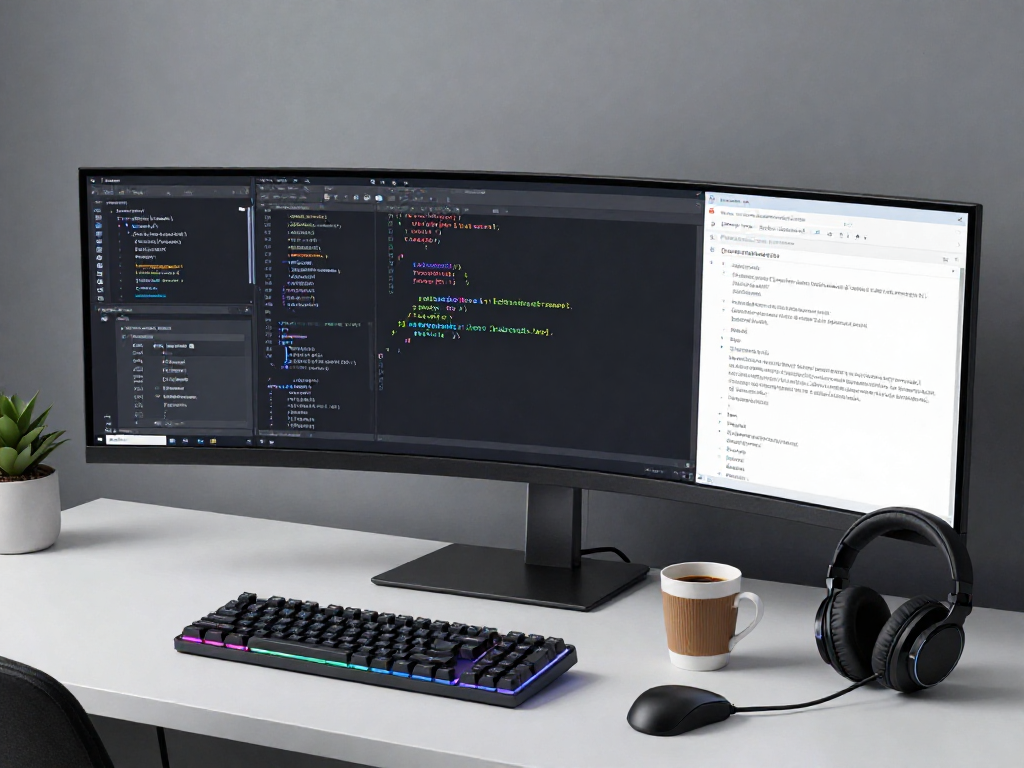
Understanding the crushonai Technology and Its Impact
The rapid evolution of artificial intelligence (AI) is transforming the landscape of software development. Among the latest innovations, crushonai stands out as a game-changer. This technology leverages advanced machine learning algorithms to streamline processes, enhance productivity, and enable developers to focus on higher-order tasks. In this article, we'll delve into what crushonai is, how it works, and the significant impacts it is poised to have on the industry.
What is crushonai and How It Works?
Crushonai is an AI platform designed to facilitate software development by automating routine tasks and providing intelligent insights. Using a combination of natural language processing (NLP) and machine learning, crushonai allows developers to interact with the software in a more human-like manner. This technology can analyze large datasets, recommend optimizations, and even write code snippets based on developers' instructions.
The core functionality of crushonai revolves around its ability to learn from user interactions. By analyzing previous tasks, the AI can adapt and improve its responses, making it an invaluable tool for developers. From generating report templates to debugging applications, crushonai aims to reduce the time developers spend on mundane tasks, thereby allowing them to devote more energy to creative problem-solving.
The Significance of AI in Software Development
The integration of AI into software development is becoming increasingly critical. It enhances efficiency, reduces errors, and accelerates project timelines. With tools like crushonai, developers can gain insights from past projects, allowing for more informed decision-making. This not only leads to better products but also saves companies significant amounts in operational costs.
Moreover, AI helps in identifying patterns and anomalies that human developers might overlook. For instance, during the testing phase of software development, crushonai can automatically flag potential issues by analyzing historical data and usage patterns, making the debugging process smoother and faster.
Challenges Faced by Developers in 2026
As we head further into 2026, developers are faced with challenges that require innovative solutions. The demand for rapid software delivery is at an all-time high, but maintaining quality and security remains crucial. Developers must also contend with an increasing variety of programming languages and frameworks, which adds complexity to their daily tasks.
Another significant challenge is the workforce shortage in the tech industry. As businesses expand their technological capabilities, the need for skilled developers continues to grow, resulting in increased competition for talent. Tools like crushonai play a vital role in addressing these challenges by empowering existing developers and streamlining workflows.
Transforming Workflow: The Crushonai Approach
With the pressures of modern software development, adopting AI solutions like crushonai can significantly redefine workflows. By minimizing manual processes and enhancing collaboration, crushonai helps teams operate more efficiently, ultimately leading to better outcomes.
Integrating AI into Daily Development Tasks
Integrating crushonai into daily operations can transform how development teams interact with technology. By automating tasks such as code review and testing, developers can focus more on design and architecture. AI-driven tools can help identify bugs earlier in the development cycle, reducing the time and costs associated with late-stage bug fixes.
Additionally, through continuous learning, crushonai can provide personalized recommendations and insights based on team practices, ensuring that every member remains on the cutting edge of technology trends.
Best Practices for Using crushonai Effectively
To maximize the benefits of crushonai, developers should adopt a few best practices:
- Regular training: Ensure that all team members understand how to utilize the AI effectively by offering regular training sessions.
- Collaborative workflows: Foster a culture of collaboration where teams share insights and strategies on using crushonai to enhance productivity.
- Feedback loops: Create mechanisms for continuous feedback to improve the AI’s performance and adapt it to team requirements.
Case Studies: Successful Implementations of crushonai
Numerous organizations have successfully integrated crushonai into their workflows, resulting in noteworthy improvements. For example, a mid-sized software firm reported a 30% increase in productivity after incorporating crushonai into their development process. By automating repetitive tasks, developers were able to focus on more complex projects, leading to higher quality outcomes and reduced time-to-market.
Another case involved a large enterprise that utilized crushonai for predictive analytics in software maintenance. This not only minimized downtime but also facilitated proactive measures, significantly improving overall software reliability.
Future Trends: Where Crushonai is Heading
The trajectory of crushonai and similar AI technologies suggests a future where development processes are increasingly automated. As AI continues to evolve, so too will its applications in software engineering, opening avenues for innovation and efficiency.
Emerging Technologies Shaping Software Development
Several emerging technologies are set to influence software development, including advanced machine learning models, quantum computing, and augmented reality. Crushonai is positioned to adapt to these trends, providing developers with tools that can handle the complexities inherent to these technologies.
In addition, the rise of cloud computing and DevOps methodologies is changing how software is developed and deployed. Tools like crushonai will be essential in bridging the gap between development and operations, ensuring that teams can maintain agility without sacrificing quality.
Predictions for AI Impact in 2026 and Beyond
Looking ahead, the impact of AI in software development will likely expand significantly. By 2026, it is predicted that AI technologies will not only assist developers but also take on a more autonomous role in coding and project management. This will enable organizations to launch products faster and with fewer resources.
Furthermore, as AI continues to learn from user interactions, we can expect a greater personalization of development tools, allowing for more tailored experiences based on individual developer needs.
Preparing Your Team for the Future of Tech
To prepare for the future, organizations must invest in upskilling their workforce. As AI tools like crushonai become more prevalent, developers will need to be proficient in using these technologies. Training programs should focus on both technical skills and the soft skills necessary for collaboration in increasingly automated environments.
Moreover, fostering a culture of innovation will be essential. Encouragement for experimentation and a framework for piloting new tools will help teams adapt to the evolving technological landscape.
Measuring Success: Performance Metrics for Software Development
As businesses adopt crushonai and other AI-driven solutions, measuring success becomes paramount. By establishing clear performance metrics, organizations can accurately assess the impact of these technologies on their development processes.
Key Performance Indicators (KPIs) for AI Projects
Identifying relevant KPIs is crucial for evaluating the effectiveness of AI tools. Some key metrics include:
- Development speed: Measure the time taken to complete projects.
- Code quality: Analyze the number of revisions and bugs reported post-deployment.
- Team productivity: Evaluate the output of individual developers and teams over time.
Evaluating Crushonai's Impact on Productivity
To quantify crushonai's impact, organizations should track productivity metrics before and after implementation. Regular assessments can provide insights into areas of improvement and highlight the returns on investment made in AI technologies.
For example, teams may record the reduction in time spent on repetitive tasks, allowing for a clearer picture of productivity gains achieved through AI integration.
Continuous Improvement Strategies for Developers
Continuous improvement is key to leveraging AI tools successfully. Regularly revisiting processes and workflows, alongside feedback from developers, can lead to sustained growth and innovation. Implementing Agile methodologies can further enhance this by creating a structure for iterative development and adaptation.
Moreover, fostering a mindset of experimentation can encourage teams to explore new features and functionalities of crushonai, leading to enhanced outcomes and a more engaged workforce.
Frequently Asked Questions about Crushonai
What industries benefit the most from crushonai?
Industries ranging from finance to healthcare are poised to benefit from crushonai's capabilities. Any sector that relies on software development can leverage AI to streamline processes and improve outcomes.
How can small businesses implement crushonai?
Small businesses can start by identifying specific challenges they face in software development. Integrating crushonai on a smaller scale can provide insights and help demonstrate its value before a full rollout.
What are the limitations of crushonai technology?
While crushonai offers many advantages, it is essential to recognize its limitations. For instance, it may not fully replace the need for human expertise, particularly in complex problem-solving scenarios.
How does crushonai compare to other AI technologies?
Crushonai distinguishes itself through its targeted focus on software development needs. While other AI technologies may offer broader capabilities, crushonai's specific applications can lead to more effective solutions for developers.
What skills are needed to work with crushonai?
Developers looking to utilize crushonai effectively should have a solid understanding of programming languages, as well as familiarity with AI concepts and workflows. Training in data analysis and machine learning can also be beneficial.